
Cloudy Days and Cold Nights: How Long Your Solar Camera System Really Runs
Every solar camera system works in June. The question buyers actually ask us is what happens in the week that does not look like June: three grey days, a cold snap, a panel dusted with the first snow. This guide separates the two numbers that get blurred together in most listings — what the battery alone can do, and what the system does across a bad week — and shows the arithmetic behind both, so you can pressure-test any runtime claim before you order.
Q: How long will a solar camera run without sun?
A: Two different answers, and listings that merge them will mislead you. On battery alone, runtime is usable energy divided by the load: our four standard systems carry roughly 326 to 979 Wh usable, which is 22 to 196 hours for loads between 15 W and 5 W. Across a run of grey days the panel keeps producing something, which is why the manufacturer’s rainy-autonomy rating for YO-M8040 is 4–5 days at a ≈15 W reference load. Both figures assume the load stays within the output limit of 60 W (5 A at DC 12V). How that limit is spent at one camera point is covered under 12v camera power requirements.
First, Separate the Two Numbers People Keep Merging
Almost every disagreement about solar camera runtime comes from comparing two figures that measure different things.
Number 1: battery-only runtime
Disconnect the panel entirely — a hard outage, a snapped cable, a week of solid overcast so dark the panel contributes almost nothing — and the battery carries the site alone. The arithmetic is one division, using the usable-energy formula from our sizing guide:
Usable energy is quoted at 12 V nominal, with the reserve the system keeps in hand and the conversion loss already taken off. Applied to the three battery sizes in the range:
| Model | Battery | Usable energy |
|---|---|---|
| YO-M8040 | 40 Ah | ≈326 Wh |
| YO-P12060 / YO-P12060-T | 60 Ah | ≈490 Wh |
| YO-P240120 | 120 Ah | ≈979 Wh |
Usable energy derived from nameplate capacity. Capacities are manufacturer’s ratings.
Number 2: rainy-day autonomy
In real bad weather the panel is not disconnected — it is just producing a fraction of its clear-sky output. Overcast skies still deliver diffuse light, so a system that is net-negative on paper can stretch its battery across several days before it browns out. That is the figure behind the 4–5 days at a ≈15 W reference load rating on YO-M8040, and behind the extended backup — load dependent rating on the other three sizes. It is a manufacturer’s rating against a reference load, not a promise about your site.
What a Grey Week Actually Does to the Energy Budget
Panel output tracks the light, not the calendar. Using the same planning arithmetic as the sizing guide — panel watts × peak sun hours × 0.75 system efficiency — the difference between a clear day and a dark one is not a small discount:
- Clear day, temperate latitude: about 5 peak sun hours — a 240 W array makes roughly 900 Wh
- Dark overcast day: about 1.5 peak sun hours — the same array makes roughly 270 Wh
- A 15 W load running around the clock: 360 Wh/day, every day, regardless of weather
Read those three lines together and the failure mode is visible before anything is installed. On the 240 W system, a dark day leaves a deficit of about 90 Wh against a 15 W continuous load — under 10 percent of the usable battery, covered again on the next bright day. Run the same load on the 80 W system and the dark-day deficit is about 270 Wh, four fifths of the YO-M8040’s usable battery, every single day the grey spell lasts. When the shortfall sits on the charging side rather than the reserve side, the charging-side checklist works through the panel and the load in order.
Two honest caveats before the numbers scare anyone. A real camera is intermittent: the rated draw is what it reaches with the IR lit and the lens moving, so the daily watt-hours per camera usually land well under the round-the-clock figure. A site that records continuously sits at that figure for every hour of the day, and the account for continuous recording works what it does to the reserve across a grey week. And dark-day deficits are paid back — the battery refills on the next usable day. The arithmetic is the pessimistic boundary, which is the right direction to plan in and the wrong one to panic in. And when the pessimistic boundary is crossed anyway, when the battery runs flat is the behavior to expect, along with how the site comes back.
What Cold Does to the Same Equation
Cold changes both sides of the energy budget, and neither change is a mystery:
- Usable capacity drops. A lithium battery delivers less of its nameplate when it is cold, and the effect grows the colder the cells get. Winter runtime is shorter than the table figures even if nothing else changes.
- Charging slows below freezing. Charging lithium cells at low temperature is restricted, so a freezing night followed by a bright morning does not refill the battery as fast as the panel rating suggests.
- The battery’s BMS protection range is −20°C to 60°C. Inside that band the management system governs charging and discharging on its own; sites that sit outside it for weeks need a different conversation, and we would rather have it before the order than after.
Installation choices move the cold numbers more than people expect. A battery box in full winter sun with dark airflow around it runs warmer than one buried in shade behind a north-facing wall; snow cleared off the panel is production restored, and a panel tilted steeper for winter sun sheds it faster. None of that is in the datasheet, and all of it shows up in the February logs. The checks that produce those logs are set out in solar camera system maintenance schedule.
One transport note that belongs here: the cells are lithium, so they travel as UN38.3 tested freight with transport documentation, which in practice means sea freight for most export orders. Cold-chain it is not — but it is the reason a “ship it tomorrow by air” request has a real answer attached.
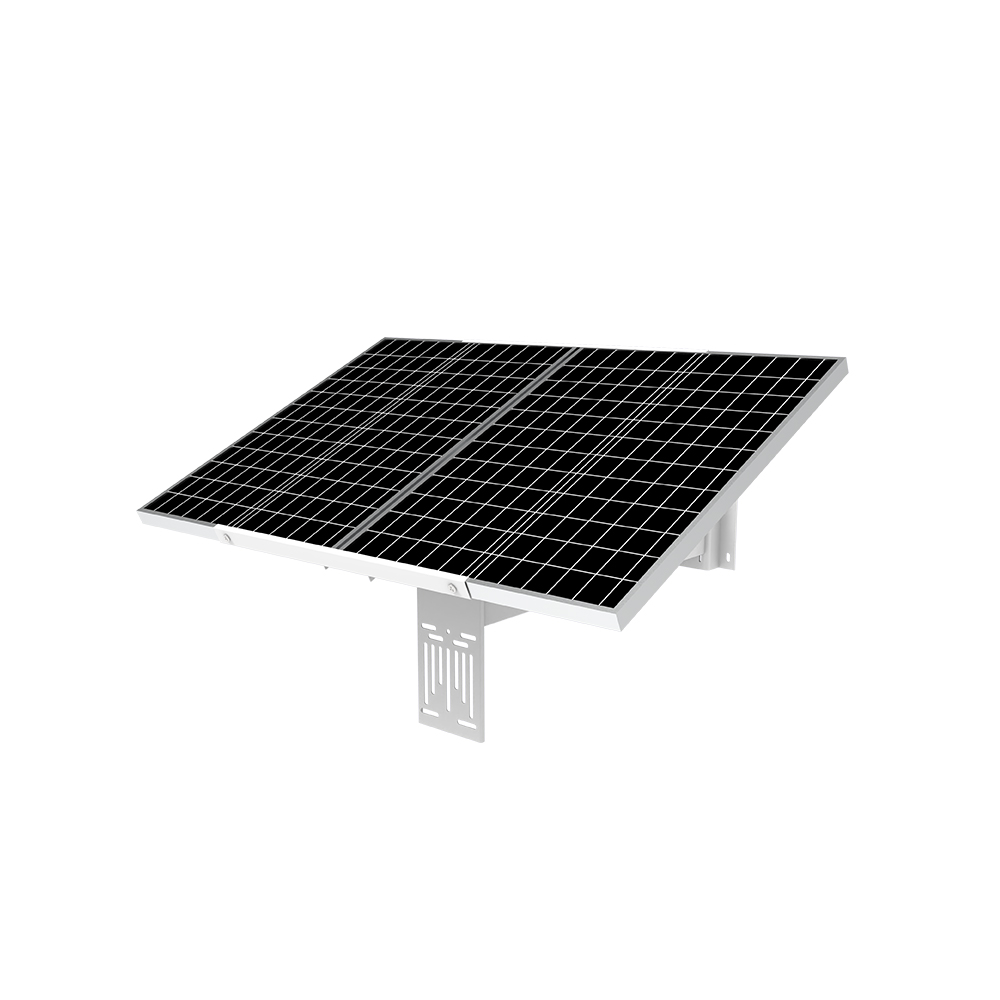
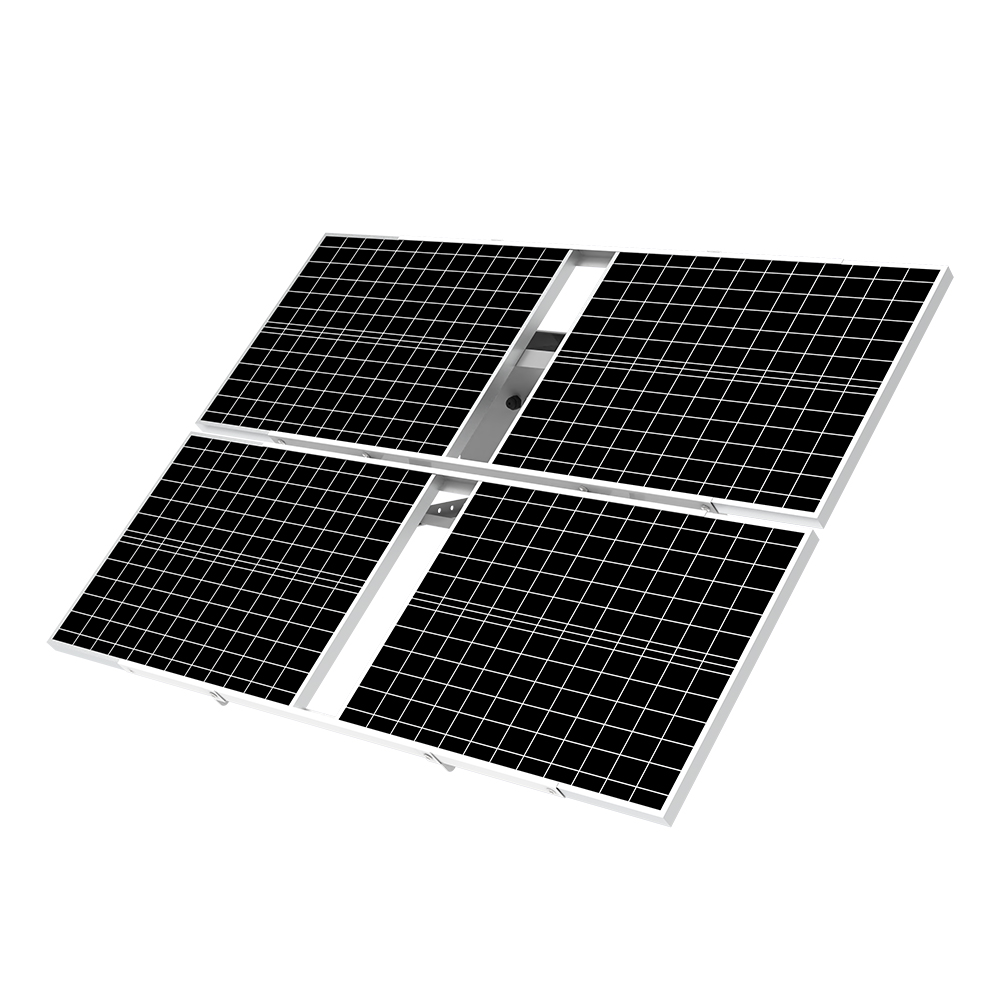
Which Size Survives Which Winter
The load list decides the floor; the climate decides how much margin to put on top. The same security-camera load lands on different models in different regions:
| Your winter | What changes | Where the load usually lands |
|---|---|---|
| Sunny and cold high desert, mountain sun |
Plenty of sun hours; cold trims the battery. Panel side comfortable, battery side needs a little margin. | YO-M8040 for single-point loads; step up if the list is heavier |
| Temperate, short grey spells most of the US and Europe |
Deficit days arrive in runs of two or three. Battery and panel both want headroom. | YO-P12060, or YO-P12060-T where the install is a pole on open ground |
| Long wet season / hard winter monsoon coasts, northern latitudes |
Weeks of net-negative days. The largest panel and the largest battery are both doing real work. | YO-P240120 — 240 W of panel, 120 Ah of battery |
Load bands and capacities are manufacturer’s ratings; every system outputs DC 12V at up to 5 A, so the continuous load ceiling at one point is 60 W. Protection rating IP65 on the sealed battery box. Panel warranty 5 years, battery 2 years.
The honest version of “does solar work in winter for security cameras” is this: it works when the system was sized against the winter rather than the summer. A system that nets positive across the worst month of your site’s year does not care what the calendar says.
Quick Answers
How long will a solar camera run without sun at night only?
Does solar work in winter for security cameras?
Can I add a bigger battery later instead of choosing the bigger system now?
Send the Site, Get the Runtime Answer
Tell us the camera and router models, how many sit at each point, and what the worst month at your site looks like. We will run the grey-day arithmetic on your numbers, name one standard size and quote it FOB China. We are not the factory — we supply these standard systems, so if your winter genuinely needs a different arrangement we will say so.
Runtime check
Send your load list and location. We will come back with battery-only hours and a rainy-season verdict for the model that fits — typically within 24 hours.
Check My RuntimeStart from the method
The four-step sizing guide behind every figure in this article — load, daily energy, battery, panel — with worked examples you can check yourself.
Read the Sizing GuideMinimum order 2 pcs · FOB China · Payment is 100% in advance, by T/T bank transfer · Standard models · Typical lead time ~15 days
How to Size a Solar Power System for a CCTV Camera
The four-step method behind the usable-energy and production figures used in this article, with worked examples for three world regions.
Questions We Get About Runtime and Cold Weather
Short answers on backup days, winter behavior, output limits and shipping: the questions this article only has room to sketch.
Full Technical Data, All Four Sizes
Panel configuration, battery capacity, output and bracket for every standard size, the figures the runtime tables above are built from.
4 Models Compared: Which System Fits Your Load?
All four standard sizes side by side: panel, battery, rated load band and mounting, with the four jobs each one is built for.